
Nikhil Chauhan
10 Min Read
Jan 28 2026
How to Become a Frontend Developer in 6 Month
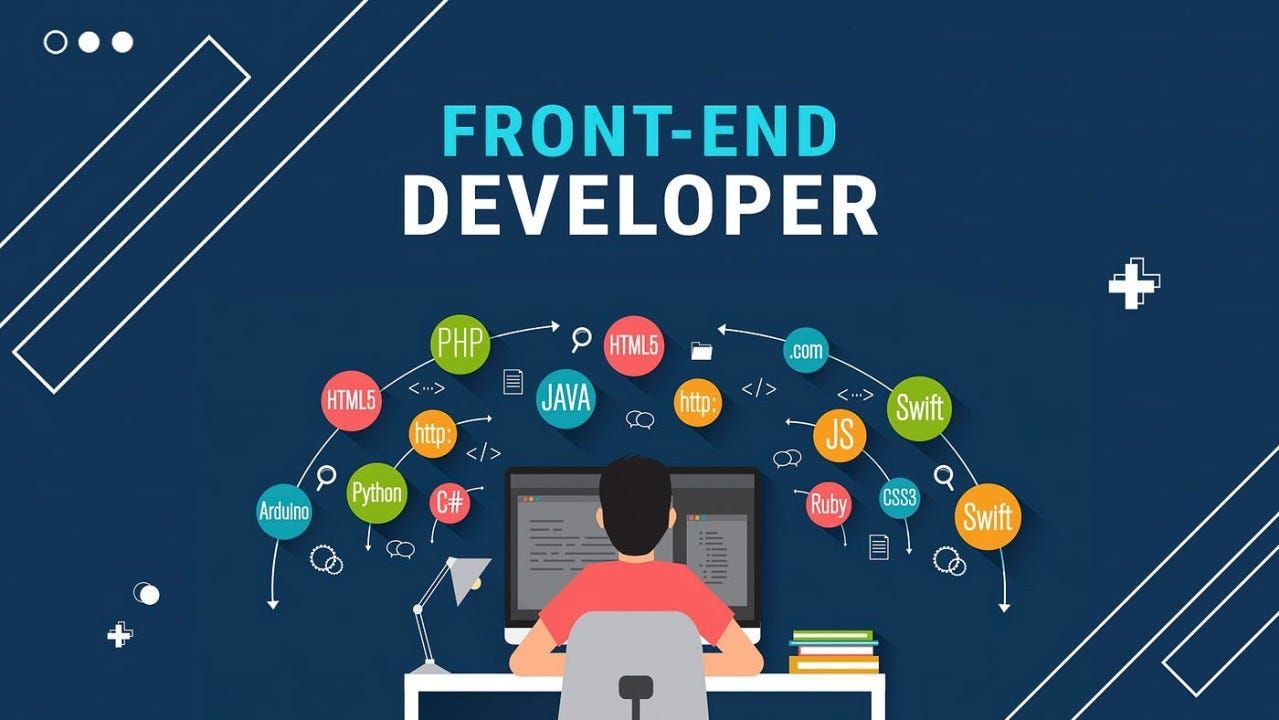
If you enjoy designing things, love seeing instant results, and want to build websites people actually use, frontend development might be the perfect path for you. The good news? You don’t need years of experience to get started. With the right roadmap and consistent practice, you can become a frontend developer in just 6 months. Let’s break it down step by step.
What Is Frontend Development?
Frontend development is all about the visual and interactive part of a website—everything users see and interact with. This includes layouts, buttons, text, images, forms, animations, and overall user experience
As a frontend developer, your job is to take a design and turn it into a responsive, user-friendly website that works smoothly on mobile, tablet, and desktop. Frontend code runs directly in the browser and is mainly built using HTML, CSS, and JavaScript.
What Do You Need to Learn?
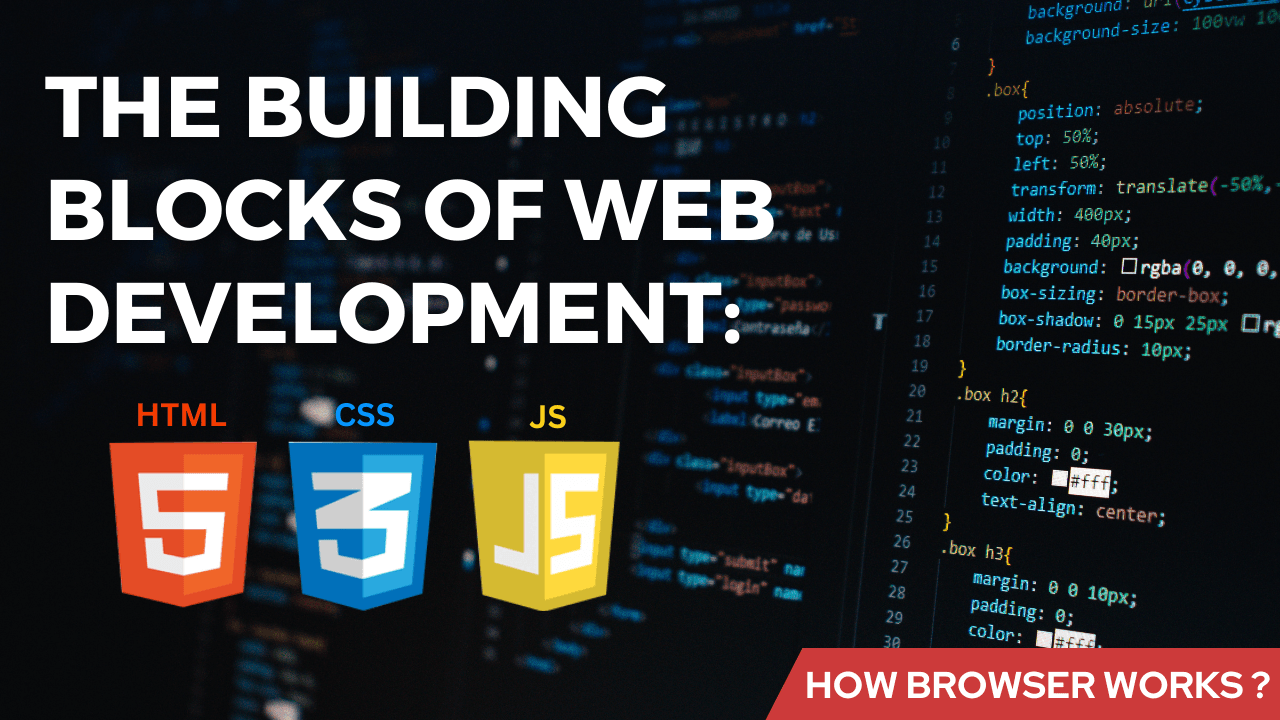
If you’re a beginner, don’t worry about frameworks or advanced tools at first. Start with the core basics of frontend development:
HTML ,CSS ,JavaScript
These three are the foundation of everything you’ll build later.
HTML (Structure of the Web)
HTML stands for HyperText Markup Language. Think of HTML as the skeleton of a website. It defines the structure and content—headings, paragraphs, images, links, buttons, and forms. HTML tells the browser what content should appear, but not how it should look or behave.
CSS (Design and Styling)
CSS stands for Cascading Style Sheets, and this is where creativity comes in. CSS is used to style your HTML content by controlling colors, fonts, spacing, layouts, and responsiveness. With CSS, you make websites look beautiful and ensure they adapt well to different screen sizes, from small mobile phones to large desktops.
JavaScript (Interactivity and Logic)
JavaScript is what makes a website feel alive. It allows your site to respond to user actions like clicks, scrolling, form submissions, and animations. Using JavaScript, you can fetch data, update content without reloading the page, and build dynamic features that improve user experience.
React – Building Modern User Interfaces
React is a popular JavaScript library used to build fast and interactive user interfaces. Instead of writing everything in one file, React lets you break your UI into small, reusable components—like buttons, cards, and forms.
React updates only the parts of the page that change, making applications feel smooth and responsive. Because of its simplicity and performance, React is highly popular and in great demand in frontend jobs. Why developers love React:
Easy to learn for beginners
Huge community and job opportunities
Works perfectly with Next.js
👉 Best for: Beginners, startups, dashboards, modern web apps
Next.js – React, but More Powerful
Next.js is a framework built on top of React that makes your applications production-ready. While React focuses only on the UI, Next.js adds powerful features like server-side rendering, static site generation, file-based routing, better SEO, and faster performance.
If React helps you build interfaces, Next.js helps you build complete web applications. That’s why many startups and companies prefer Next.js for modern websites. Frontend Frameworks You Should Know
1. React
React is a JavaScript library created by Facebook for building single-page applications using reusable components.
Key ideas:
Component-based architecture
Virtual DOM for better performance
One-way data flow for predictable behavior
👉 Best for: Beginners, modern apps, startups
2. Angular
Angular is a full-fledged frontend framework developed by Google. It comes with everything built in, including routing, forms, HTTP services, and validation.
Key ideas:
MVC architecture
Two-way data binding
Uses TypeScript by default
Why Angular is powerful:
Highly structured and scalable
Ideal for large and complex applications
⚠️ Downside: Steeper learning curve compared to React
👉 Best for: Enterprise-level applications, large teams
Final Thoughts
Becoming a frontend developer in 6 months is absolutely possible if you stay consistent, build real projects, and focus on strong fundamentals. Start small, practice daily, and don’t rush the process. Every line of code you write brings you one step closer to your goal.
